

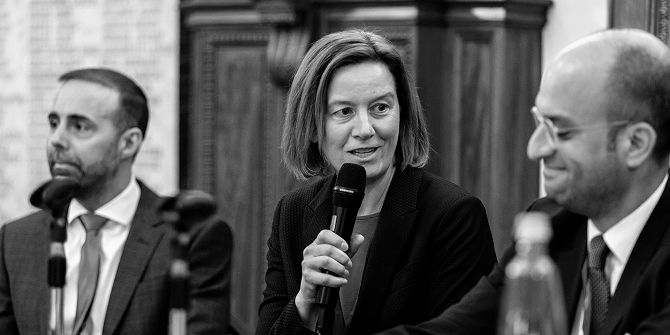
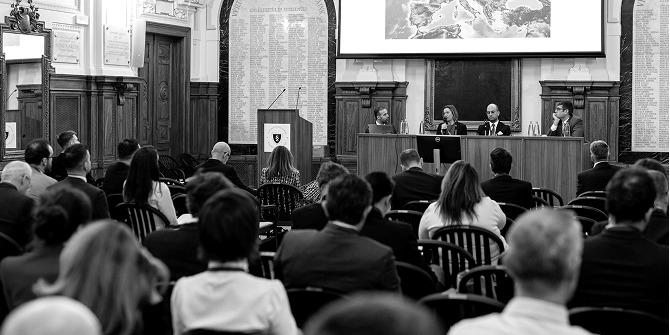
At this year’s STEP Hungary Conference in Budapest, our Senior Partner Priska Rösli participated as a panelist. Under the theme “Cross-border wealth structuring in Central Europe and beyond”, experts from multiple jurisdictions discussed current developments in trusts, foundations, and international wealth planning.
A key theme ran through all panels – and can, from our perspective, be summarized as follows: What ultimately matters is not how a structure is designed, but how robust it proves to be in an international context.
Particularly where individuals relocate or wealth structures become internationally diversified, it becomes evident how differently identical structures are classified for tax purposes – and how significantly these differences impact their overall viability.
Taxation in an International Context
The panel “Taxation of cross-border structures – Part I (Inbound)” focused on the tax treatment of cross-border structures entering a new jurisdiction.
Together with international experts from Hungary, Cyprus and New Zealand, the discussion addressed practical case studies, including:
- The tax qualification of foreign trusts and foundations
- Challenges related to the contribution of assets
- Differing approaches of tax authorities to distributions
In her contribution, Priska Rösli provided insights from a Liechtenstein perspective and outlined under which conditions established structures can be implemented in a sustainable and practical manner in an international setting.
Key Observations
- Increasing international mobility is putting existing structures under pressure
- Tax qualification remains a central area of risk
- Substance and transparency continue to gain importance
- Robust solutions require an integrated, cross-disciplinary approach combined with practical implementation
Conclusion
The conference once again highlighted that successful structures must not only be technically sound, but also capable of withstanding the interaction of multiple legal and tax systems.
In an international environment, the real value lies in the ability to align different perspectives and translate them into solutions that remain viable from both a practical and long-term perspective